Best Travel Tripod: Pros, Cons and Alternatives
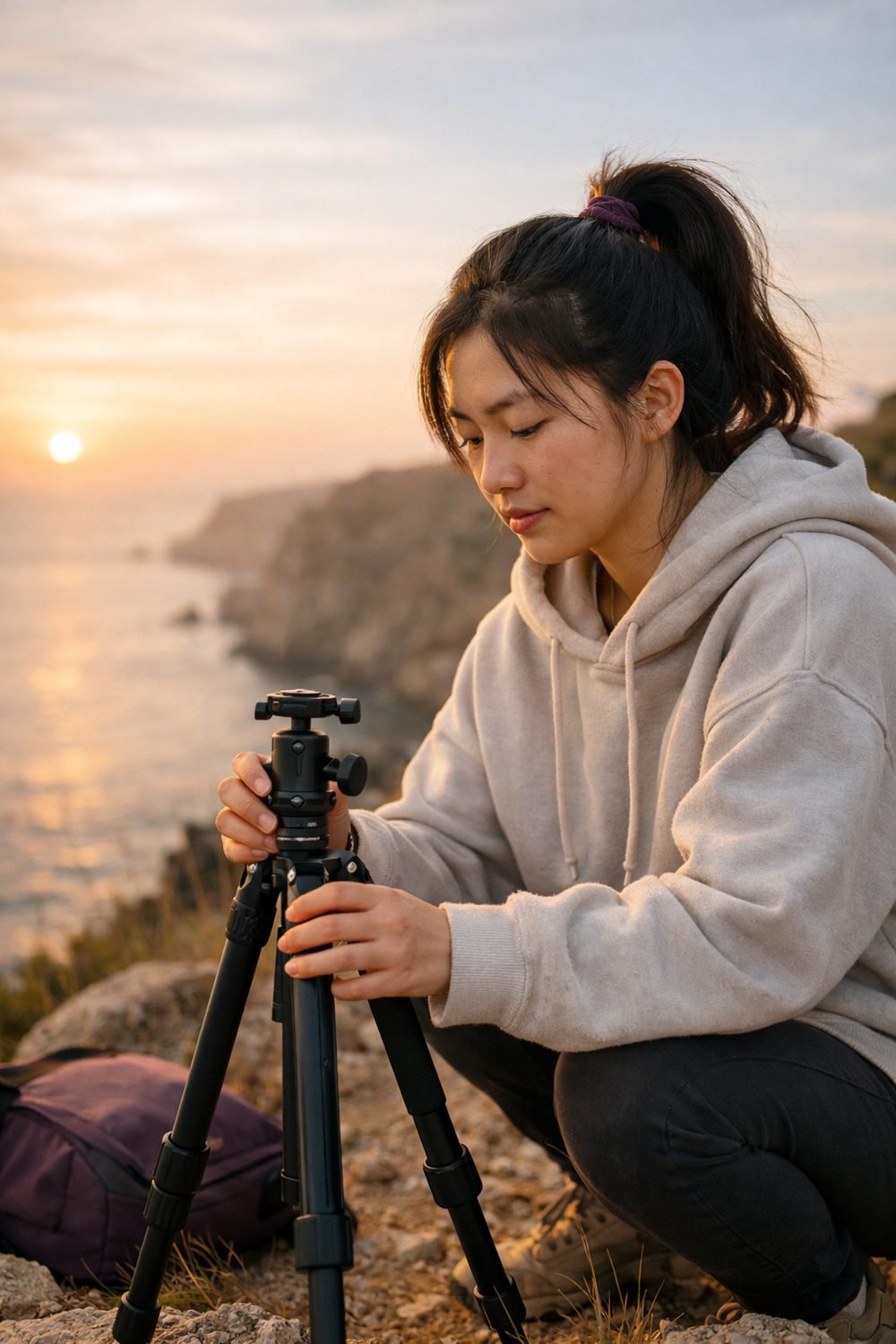
Choosing the best travel tripod is a trade between stability and weight. The steadier it is, the more it tends to weigh. The lighter it is, the more you'll fight wind, wobble and cramped legs. Some tripods are easy to carry on trips, while others are better left in the hotel room if you don't want to haul them up another hill.
So instead of naming one perfect tripod, here's an honest look at the main types, what each does well, where each falls short, and who might be happier with an alternative. Check the seller's page for exact weights and load ratings, because those numbers vary a lot between models.
Short on time? Our top picks: Peak Design Travel Tripod, Manfrotto Befree, Joby GorillaPod and Gitzo. See all picks

1. Carbon Fiber Lightweight Tripods
Carbon fiber is the one most people picture when they think "travel tripod," and brands like Gitzo are well known for it. The big win is weight. A carbon set of legs feels noticeably lighter in your bag than an aluminum one of a similar size, and it doesn't get painfully cold in your hands on a winter morning. That second part tends to matter more than you might expect.
The downside is price. Carbon models usually cost more, sometimes a lot more, and for a casual trip that extra money might be better spent on a good lens or just the trip itself. They can also feel a bit too light in strong wind, which surprises people.
Practical tip: Look for a hook under the center column. Hanging your backpack there adds weight low down and steadies a light tripod in a breeze.
2. Aluminum Travel Tripods
Aluminum is the budget-friendly choice, and honestly, it's where I'd tell most beginners to start when picking a tripod stand. You get solid height and decent stability for less money. If you drop it on rocks, you'll feel less sick about it too.
The catch is weight. It's heavier to carry all day, and that adds up on long walking days. If you mostly shoot near the car or close to where you're staying, the extra weight hardly matters.
When I'm planning a trip, I think about where I'll actually be shooting before I pick which tripod comes along. If you like that kind of prep, the Photo Shoot Planner and Checklist Bundle below this post can help you sort out locations and gear in one place.
Practical tip: Count the leg sections. More sections pack smaller but take longer to set up and can be a little less steady. Four is a fair middle ground for travel.
3. Table-Top and Mini Tripods
These are the tiny ones, like the Manfrotto PIXI, a mini tripod small enough to sit in a jacket pocket. You can keep one in your bag almost all the time because it costs you nothing to carry. It works on cafe tables, low walls, car roofs and park benches.
The obvious problem is height. You need something to put it on, and that something isn't always where you want your shot. They also struggle with bigger cameras and heavy lenses. A small mirrorless body is usually fine. A large camera with a long zoom often isn't.
Practical tip: Use the self-timer or a remote. Pressing the shutter by hand on a tiny tripod shakes it more than you'd think.
4. Flexible-Leg Tripods
Flexible tripods, such as the Joby GorillaPod, have bendy legs you can wrap around railings, branches, fence posts and poles. They're fun, and sometimes they get you a shot no other tripod could, like a camera clamped to a balcony rail.
To be fair, there are drawbacks. They're a little overrated for real cameras. The load they can hold is usually lower, and the legs can slowly sag with heavier gear. For a phone or a small compact, they're great. For anything bigger, I don't fully trust them over a long drop.
Practical tip: Before you let go, give the wrapped legs a gentle push. If it sags now, it'll sag more in five minutes.
5. Monopods
A monopod is one leg instead of three. It's light, quick to open, and often allowed in places where full tripods get you a polite "please put that away." It also suits busy markets, where a full tripod could trip someone.
It isn't free-standing, though. You still hold it, so it won't help with long night exposures the way a tripod does. Think of it as steadier handheld shooting, not a replacement for three legs.
Practical tip: Lean the monopod slightly toward you and brace it against your foot. That small angle makes a real difference.
Quick side note: if you also like keeping a scrapbook of your trips, you can grab our Free Junk Journal Starter Pages with tags, a pocket and a cover when you join the email list.
6. Best Phone Tripod Options and Mounts
If you mostly shoot on your phone, a phone tripod or clamp mount might be all you need. They're compact and cheap, and they're easy to toss in a bag. Group photos and short clips get a lot easier when you aren't asking a stranger for help, and some work as a simple video tripod too.
The limit is the load. Most are built for phones only, and the clamp can loosen on bumpy surfaces. Some include a small remote, which is nice, but check the seller's page so you know what's actually in the box.
Practical tip: Test the clamp with your phone case on before you travel. Some thick cases don't fit.
7. Skip the Tripod Entirely
Here's an alternative people don't talk about enough. Sometimes the best tripod is no tripod. Many newer cameras and phones have good stabilization, and a wall, a rolled-up jacket or a beanbag can steady a camera surprisingly well.
You can do whole trips this way without missing much, except for a couple of night shots. If your trip is mostly daytime city walking, leaving the tripod at home could be the right call.
If you're still choosing the best travel camera and wondering how much stabilization matters, the Mirrorless Cameras Buyer's Guide and Comparison Sheets below this post lay out features side by side so you can compare.
Practical tip: Pack a small beanbag or a zip bag of dry rice. It shapes around uneven surfaces and weighs very little.
Our top picks
Here are some well-known tripod and support brands worth a look, from full travel tripods to phone mounts. Match each one to how far you'll carry it and what camera you own.
Peak Design Travel Tripod
Suits travelers who want a tripod built to pack down small in a bag. Check the load rating against your camera and heaviest lens, and compare the carbon and aluminum versions if both are offered.
Manfrotto Befree
A long-running travel line that suits beginners and hobbyists who want a familiar name. Check the folded length and the head type, since some kits include a head and some do not.
Joby GorillaPod
A good fit for flexible-leg shooting with phones, compacts and small mirrorless cameras. Check which size is rated for your camera, because the models differ in how much they can hold.
Gitzo
Suits serious photographers who want premium carbon legs and plan to keep them for years. Check the weight and height of the specific series, and be ready for a higher price than most travel tripods.
Benro
Offers travel tripods in both carbon and aluminum, so it suits people comparing materials side by side. Check the leg sections and the included head before you buy.
Manfrotto PIXI
A small table-top tripod that suits anyone wanting something pocketable for cafe tables and walls. Check that its load rating covers your camera and lens.
Gorillapod Mount for Phones
Suits phone shooters who want a clamp-style holder for group shots and video. Check that the clamp fits your phone with its case on.
Manfrotto Monopod
Suits people shooting in crowded places or where full tripods are not welcome. Check the extended height and the weight it is rated to hold.
Check current plans and prices on each brand's own site before you decide.
FAQ
Is carbon fiber worth the extra money?
It can be if you walk a lot and feel every bit of weight on your shoulders. If you mostly shoot near your car or hotel, aluminum is often good enough. Think about how far you'll carry it, not just the price.
How do I know if a travel tripod can hold my camera?
Check the load rating on the seller's page and compare it with your camera and heaviest lens together. Leave some room above that number for comfort. A tripod at its limit tends to droop and wobble.
Can I bring a tripod on a plane?
Rules depend on the airline and airport, so check with them before you fly. Many travelers pack tripods in checked luggage to avoid any trouble. Small table-top or phone tripods are usually easier to carry.
Do I need a tripod for phone photos?
Not always. Phones handle daylight well without one. A small phone tripod mostly helps with night shots, timelapses, group photos and steady video.
Picking Yours
If I had to give one piece of advice, it's this: pick the tripod you'll actually carry. A heavy, steady tripod left in the car takes zero photos. Start by grabbing the free Junk Journal Starter Pages through the sign-up box, then take a look at the Photo Shoot Planner and Checklist Bundle and the Mirrorless Cameras Buyer's Guide below this post if you want help planning your next trip and gear.
Printables and tools that can help
Mirrorless Cameras Buyer's Guide and Comparison Sheets
A printable guide and comparison sheets to write down what matters to you before you look at any seller...
See detailsPhoto Shoot Planner and Checklist Bundle
A printable bundle with a 30-day goal page, weekly planner and checklists for new creators and...
See details