Best Budget Noise Cancelling Headphones: Questions to Ask First
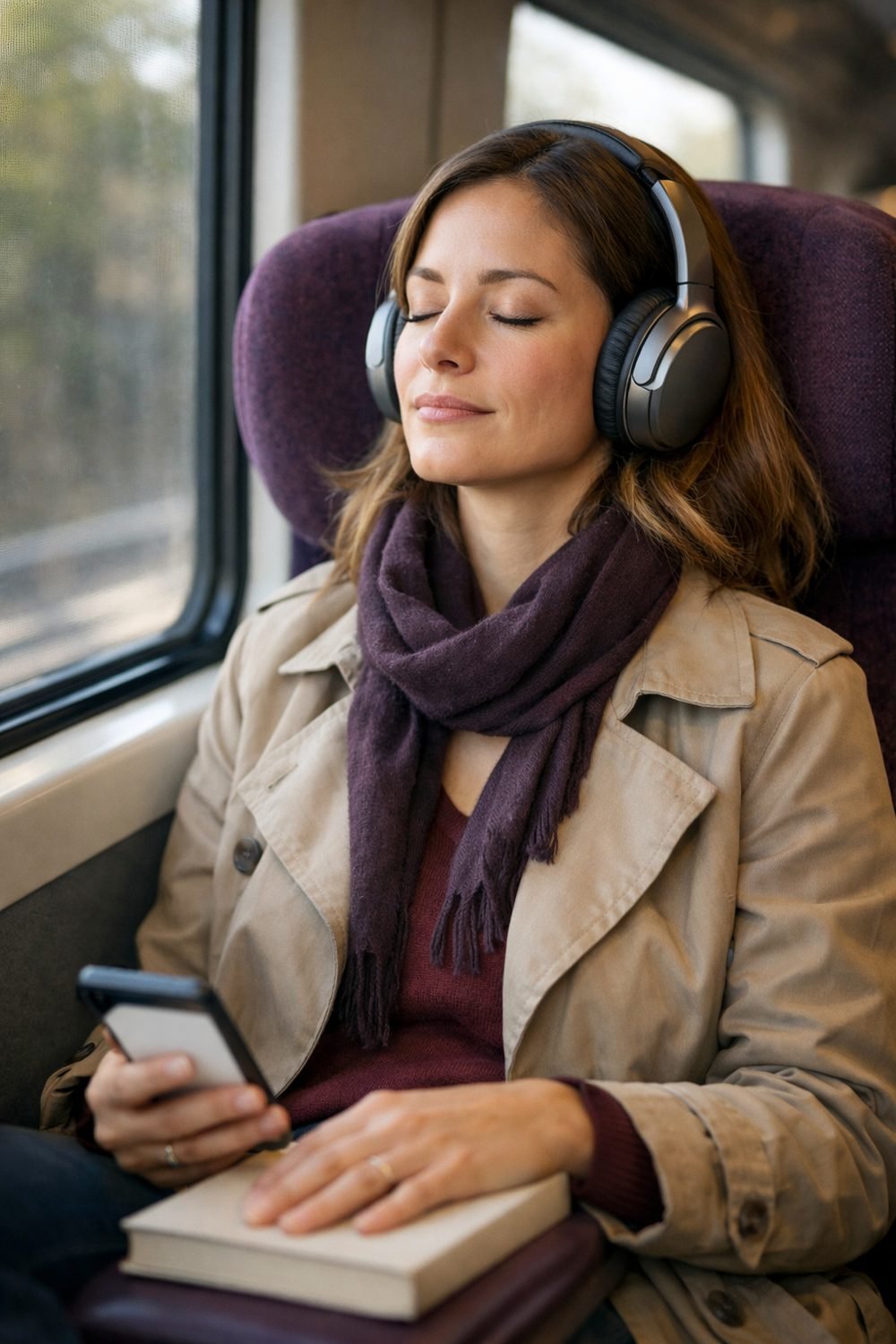
Many people buy their first pair of noise cancelling headphones on a whim during a late-night sale, so pause and ask a few questions before you commit. They were fine. They also pinched my ears after forty minutes and didn't pair well with my old laptop. Some buyers end up keeping them anyway, because they miss the return window by a couple of days.
That's why I think the best budget noise cancelling headphones start with a few honest questions before you click buy. Cheap doesn't have to mean disappointing. But when you're spending less, every small mismatch hurts more, because there's less wiggle room. Here are the questions I ask now, in the order I ask them.
Short on time? Our top picks: Anker Soundcore Life Series, JBL Tune Series, Sony WH-CH720N and Edifier W830NB. See all picks
1. Where will you actually wear your noise cancelling headphones?
Picture the place, not the ad. A loud train, a quiet home office, a coffee shop with a blender that never stops, a flight. Each one asks something different of a pair of headphones.
Low, steady rumble like engines and air vents is what active noise cancelling headphones handle best, from what I've seen. Sudden sounds like voices or a dog barking are harder. If your main problem is a chatty open office, a snug fit that blocks sound physically may matter as much as the cancelling feature itself.
Commuting adds other needs, whether you pick something like the JBL Tune range or another pair. You'll want something that folds, survives being shoved in a bag, and has a transparency or ambient mode so you can hear announcements and traffic. Honestly, if you walk near roads, that mode isn't a bonus. Count it as a must.
Tip: Write down your top two places on a sticky note. When you read product pages, look for features that match those two places and ignore the rest.
2. How long are your listening sessions?
Twenty minutes on a bus is easy on almost any pair. Four hours of focused work is a different story. Comfort is where a lot of budget headphones cut corners, and you often don't notice until hour two.
Things I check: is it over-ear or on-ear? Over-ear cups sit around your ears, and the best over ear noise cancelling headphones usually feel better for long stretches. On-ear pads press on your ears, which some people never mind and others can't stand. Clamping force matters too. A tight grip blocks more noise but can give you a headache. If you wear glasses, a tight clamp presses the arms into your head. This one is easy to overlook until it causes trouble.
Weight is listed on most product pages, so compare it. Read reviews specifically for words like "pressure," "hot," or "sweaty." Those tell you more than star ratings.
Tip: If you can, try any over-ear headphones you or a friend already own for a full hour. It helps you learn what you can tolerate before you buy.
3. What battery life do you really need?
Battery numbers on boxes are almost always tested in friendly conditions. Turning noise cancelling on, cranking the volume, or taking calls can all lower the real number. So I treat the listed hours as a best case, not a promise.
Work backward from your week. If you commute an hour a day, nearly any pair will last several days between charges. If you fly long distances or wear them all workday, battery becomes a bigger deal. Also check how the headphones charge. A modern charging port means you can probably use the same cable as your phone, which is one less thing to pack.
Some pairs offer a quick charge, where a short top-up gives you a few hours. If the seller lists that, it's handy for people like me who forget to charge anything until it beeps.
Tip: Note the listed hours with noise cancelling on, not off. Sellers sometimes show the bigger "off" number first.
4. Is there a wired backup?
This is my favourite quiet feature, and it's easy to overlook. A headphone jack and cable means that when the battery dies, you can plug in and keep going. On a plane with no charger, that's a relief.
Check whether the headphones still play sound when wired and fully dead. Some do, some don't, and some only work wired if they're switched on. The product page or manual usually says. If it doesn't, the reviews often do.
Also think about your devices. Many phones no longer have a headphone jack, so a wired backup might need an adapter. Laptops and in-flight systems often still have one.
Tip: If a cable comes in the box, keep it in the headphone case permanently. A wired backup you left at home doesn't help much.
Quick side note: if you like making things in your downtime, our free Junk Journal Starter Pages (tags, a pocket and a cover) are yours when you join the email list.
5. Will they work well with your phone and laptop?
Almost all Bluetooth noise cancelling headphones will connect to almost anything. Working well is a different question. Some features, like certain audio formats or companion apps, depend on your phone or its operating system.
Look for whether there's an app, and whether it's available for your phone, as with Anker Soundcore or Sony headphones. Apps often let you adjust the sound, change how the noise cancelling behaves, and install updates. A pair without an app isn't bad. It just means what you get out of the box is what you keep.
If you switch between a phone and a laptop a lot, look for "multipoint" on the spec list. That means the headphones can stay connected to two devices at once. For me, this ended up mattering more than sound quality, because I stopped re-pairing every morning.
Tip: Check the reviews for noise cancelling headphones with a mic too if you take calls. Budget pairs can sound great for music and only okay for your voice.
6. What's the return policy?
Read this before you buy, not after. Return windows, restocking fees, and rules about opened items vary by store and seller. Since headphones touch your body, some places treat returns differently. The only reliable answer is the seller's own policy page.
Once they arrive, test them properly and soon. Wear them at your desk, on a walk, in the noisiest place you normally go. Try a call. Charge them fully and see roughly how long they last. Do all of this early, while you still have time to change your mind.
Keep the box and everything inside it until you're sure. It's tempting to recycle packaging right away. Don't, at least for a couple of weeks.
Tip: Put a reminder on your phone a few days before the return window closes. Future you will be grateful.
7. Which features can you skip?
This is where you save money. The best budget headphones often skip fancy extras, and that's usually fine. Touch controls look sleek, but plenty of people prefer real buttons they can feel without looking, especially with gloves on. Ear-detection sensors that pause music when you lift a cup are nice, though I'd never pay extra for them.
"Adjustable levels" of noise cancelling can be useful, but a simple on, off, and ambient mode covers most days. Big claims about special sound modes are worth a shrug unless reviews back them up.
If you're a creator, simple, sturdy tools are often the better fit. If you're the same and spend time on shoots, our Photo Shoot Planner and Checklist Bundle is below this post. It sits well alongside a pair of headphones for long editing sessions.
Tip: Make two columns: "must have" and "nice to have." If a pair costs more only because of nice-to-haves, pass on it.
Budget Noise Cancelling Headphones Worth a Look
These are real, well-known options that tend to come up when people shop on a budget. Run each one through the questions above before you decide.
Anker Soundcore Life Series
Anker's Soundcore line is a common starting point for people who want noise cancelling without a big spend. It suits commuters and desk workers who want an app to adjust settings. Check which model you're looking at, since features differ across the range.
JBL Tune Series
JBL makes several noise cancelling models under its Tune name. It suits people who want a familiar audio brand and a straightforward setup. Check whether your chosen model has wired playback and an ambient mode.
Sony WH-CH720N
This is one of Sony's more affordable noise cancelling over-ear models. It suits anyone who wants an over-ear fit and a companion app from a big brand. Check the comfort notes in reviews, especially if you wear glasses.
Edifier W830NB
Edifier is known for value-focused audio gear, and this over-ear pair fits that style. It suits people who care more about the basics than extras. Check the app support for your phone before buying.
Soundcore Space One
Another Soundcore option, aimed at people who want over-ear comfort on a smaller budget. It suits long listening sessions and travel. Check the multipoint listing on the product page if you switch between devices.
Bose QuietComfort Headphones
Bose is a long-standing name in noise cancelling and often goes on sale. It suits people stretching their budget for comfort. Check the current price against your limit, since it sits at the high end of budget.
Sennheiser ACCENTUM
Sennheiser's ACCENTUM line offers noise cancelling from a respected audio maker. It suits listeners who care about sound character and an app. Check the controls and fit, since both are personal.
Check current plans and prices on each brand's own site before you buy.
FAQ
Are budget noise cancelling headphones worth it?
For many people, yes, as long as your expectations match your use. A lower-priced pair of sound cancelling headphones can soften commute and office noise nicely. Just don't expect it to erase every sound around you.
Can noise cancelling headphones hurt my ears?
This isn't medical advice. Some people feel a sense of pressure with noise cancelling, and loud volume over time is a general concern. If you're worried or notice discomfort, talk to a doctor or hearing professional.
Should I pick over-ear or wireless noise cancelling earbuds?
Over-ear tends to be more comfortable for long sessions and often has better battery. Earbuds are smaller and easier to carry, and the best in ear noise cancelling headphones can still block a lot of sound. Think about where you'll wear them and how long you'll use them each time.
How do I know if good noise cancelling headphones are actually good?
Read several reviews and look for ones that describe your situation, like trains, flights, or offices. Then test it yourself in your noisiest place soon after it arrives, while returns are still possible.
Before You Buy
Go back through these questions with one pair in mind, and you'll probably know whether it's right within five minutes. If it's a yes, great. If it's a no, you just saved yourself the hassle of a return. While you're here, grab the free Junk Journal Starter Pages by signing up in the box on this page. Then take a look at the products below this post, including the Mirrorless Cameras Buyer's Guide and Comparison Sheets if a camera is next on your list.
Printables and tools that can help
Mirrorless Cameras Buyer's Guide and Comparison Sheets
A printable guide and comparison sheets to write down what matters to you before you look at any seller...
See detailsPhoto Shoot Planner and Checklist Bundle
A printable bundle with a 30-day goal page, weekly planner and checklists for new creators and...
See details